

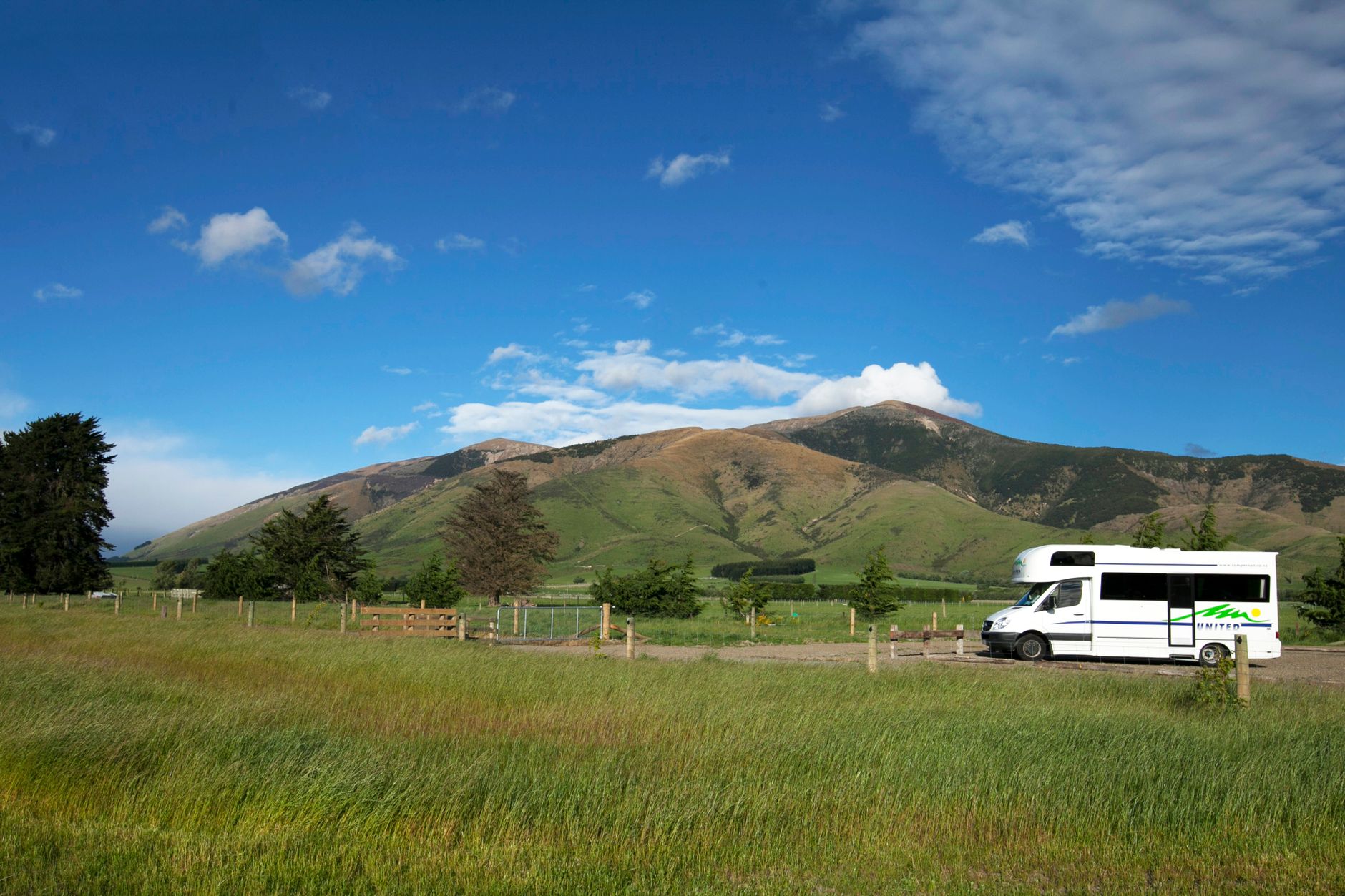
Photo by Jeffry Surianto on Pexels
Before you buy an RV, lock four decisions: how you’ll use it (weekends vs longer trips), a realistic all-in budget (purchase plus insurance, storage, maintenance, and fuel or tow vehicle costs), new vs used, and the size and type that fit your routes and parking. Most regret comes from skipping those — not from missing a “perfect” floorplan.
Buying an RV isn’t like buying a car. You’re choosing a vehicle, a small living space, and a travel habit at once. Get the decision order right and shopping gets clearer. Get it wrong and even a shiny floorplan can feel expensive and frustrating six months later.
What to decide before you buy
Start with use case, not inventory photos. Weekend trips with kids, snowbird seasons, full-time living, and occasional holiday camping pull you toward very different RVs — and different ownership costs.
Ask yourself:
- How often will you actually leave, and for how many nights at a time?
- How many people (and pets) need to sleep and sit comfortably?
- Will you tow, drive a motorhome, or need a separate tow vehicle you don’t own yet?
- Mostly campgrounds with hookups, or some off-grid camping?
- Where will it live when you’re not traveling — driveway, HOA limits, or paid storage?
Write a budget ceiling that includes the purchase and the first year of ownership. Then decide new vs used and size/type inside that ceiling. Shopping the other way around — falling for a layout, then reverse-engineering affordability — is how people overbuy.
If you’re also weighing whether the lifestyle fits long-term, skim RV living costs and expectations before you sign anything.
How much an RV really costs
Sticker price is only the opening number. Purchase ranges swing hard by type and condition: smaller used travel trailers can land under $20,000, mid-range fifth wheels and motorhomes sit across a wide middle, and luxury Class A coaches can run into the hundreds of thousands. Those bands are orientation, not a quote.
What blindsides buyers is the ownership stack:
- Insurance and registration
- Fuel (or a tow vehicle that can safely haul what you bought)
- Maintenance, repairs, tires, and batteries
- Storage fees when home parking isn’t an option
- Campground stays, hookups, and memberships
- Winterization and seasonal prep in cold climates
Those line items don’t show up on the lot sticker, but they show up every year you own the RV. A unit that looks affordable on payment alone can feel expensive once storage, insurance, and one roof or tire season hit the same calendar.
A common mistake is judging affordability by monthly payment alone. Stretching a loan over many years can make a bigger RV “fit” the payment while raising total cost and locking you into something you outgrow — or never use enough to justify. Price the first year of ownership on paper before you fall for the demo walk-through.
For a deeper cost breakdown, see how much an RV costs. Pair that with realistic maintenance expectations so year-one surprises don’t wipe out the travel budget.
New vs used — tradeoffs that matter
This choice shapes warranty, risk, and how fast the RV loses value.
New can make sense if you want a manufacturer warranty, current layouts and tech, financing options that feel simpler, and fewer unknowns about prior owners. The tradeoff is steeper early depreciation and a higher purchase price for the same square footage.
Used can make sense if you want a lower entry price, slower depreciation from the day you buy, and budget left for inspection, upgrades, or repairs. The tradeoff is condition risk: water damage, neglected seals, soft floors, and tired systems can erase the “deal.”
| Situation | Often a better fit |
|---|---|
| Tight purchase budget | Used (with a serious inspection) |
| Want warranty coverage | New |
| Comfortable inspecting systems and history | Used |
| Newest features and floorplans | New |
| Worried about early depreciation | Used |
Condition beats age alone. A well-kept older RV can outlast a neglected newer one. If you buy used, budget time and money for a thorough inspection — especially roof, seals, slides, plumbing, and evidence of leaks — before you commit.
What size and type fit how you travel
Bigger isn’t automatically better. Buying more RV than you need is one of the most common regrets owners share.
Size follows how you travel:
- Smaller RVs are usually easier to drive or tow, park, store, and maintain. They cost less to fuel and fit more campgrounds and city streets.
- Larger RVs can feel more like home on long trips — more sleeping space, storage, and room to work or live full-time — but they raise fuel use, campground limits, maintenance complexity, and purchase price.
Type matters as much as length. Travel trailers and fifth wheels need a capable tow vehicle — and “capable” means payload, hitch rating, and braking, not just a truck that looks tough. Class B vans prioritize mobility and everyday parking. Class C and Class A motorhomes trade towing complexity for driving a single unit (and often higher purchase and service costs). Match the type to your routes, not to a showroom fantasy.
Also ask where you’ll actually stay. Big slides are wonderful until the only open sites are tight, tree-lined, or dry-camping spots that punish length and power draw. If off-grid nights are part of the plan, size and systems matter as much as sleeping capacity.
If you’re unsure, err slightly smaller for a first RV — especially if you’ll mostly do weekends and shorter trips. You can always size up later once you know your real habits. Thinking ahead to resale also helps: demand, condition, and brand reputation all show up when you eventually sell an RV.
Common buying mistakes
Most expensive mistakes are avoidable if you slow down.
Buying too much RV. Extra length and luxury features feel exciting on the lot. On the road they mean more weight, more fuel, harder parking, and higher storage and repair bills.
Ignoring ownership costs. Fuel, insurance, storage, tires, and maintenance belong in the same conversation as the purchase price.
Shopping features instead of floorplan. Gadgets matter less than whether the layout fits how you cook, sleep, work, and store gear.
Skipping inspection on used units. Water damage and soft spots don’t always announce themselves in a quick walk-through.
Rushing the deal. Long loan terms, add-on warranties, and pressure to “decide today” can inflate total cost. Sleep on big numbers. Take time to compare, inspect, and negotiate — including tactics covered in how to negotiate buying an RV.
Underestimating maintenance reality. RVs move, vibrate, and live outdoors. Seals, roofs, tires, and batteries need attention. Pretending otherwise is how small issues become big ones — and how a “bargain” used unit turns into a repair project you didn’t budget for.
Frequently Asked Questions
How much does an RV cost?
It depends on type, age, condition, and features. Smaller used trailers can start under $20,000; mid-range fifth wheels and motorhomes span a wide range; luxury Class A coaches can cost hundreds of thousands. Always add insurance, storage, fuel, maintenance, and campground costs to the purchase price when you budget.
Is it better to buy new or used?
Neither is universally better. New favors warranty and fewer prior-owner unknowns, with faster early depreciation. Used often offers better purchase value if you inspect carefully and accept some repair risk. Match the choice to budget, risk tolerance, and how long you plan to keep the RV.
What size RV do I need?
The right size fits how many people travel with you, trip length, where you’ll park and store it, and how comfortable you are driving or towing. Beginners often do better with a smaller, easier-to-handle RV than with maximum sleeping capacity they rarely use.
What hidden costs come with buying an RV?
Beyond the sticker price: insurance, registration, storage, fuel or tow-vehicle costs, tires and batteries, routine maintenance and unexpected repairs, winterization, and campground fees. Those line items are why “affordable payment” is not the same as affordable ownership.
Are RVs a good investment?
Usually they’re lifestyle purchases, not financial investments. Most RVs depreciate. An RV can still be “worth it” if the travel and flexibility matter more to you than resale profit — just buy with eyes open about depreciation and ongoing costs.
What are the most common RV buying mistakes?
Overbuying size, budgeting only for the payment, skipping inspections, chasing features over usable layout, and underestimating maintenance. Slowing down on those five decisions prevents most buyer regret.
The Bottom Line
Buying an RV goes well when you decide use case, all-in budget, new vs used, and size/type before you fall in love with a floorplan. Treat ownership costs as part of the purchase, inspect used units carefully, and resist the urge to buy more RV than your routes and parking can handle. Get those fundamentals right and the exciting part — actually traveling — has a much better shot at lasting.