

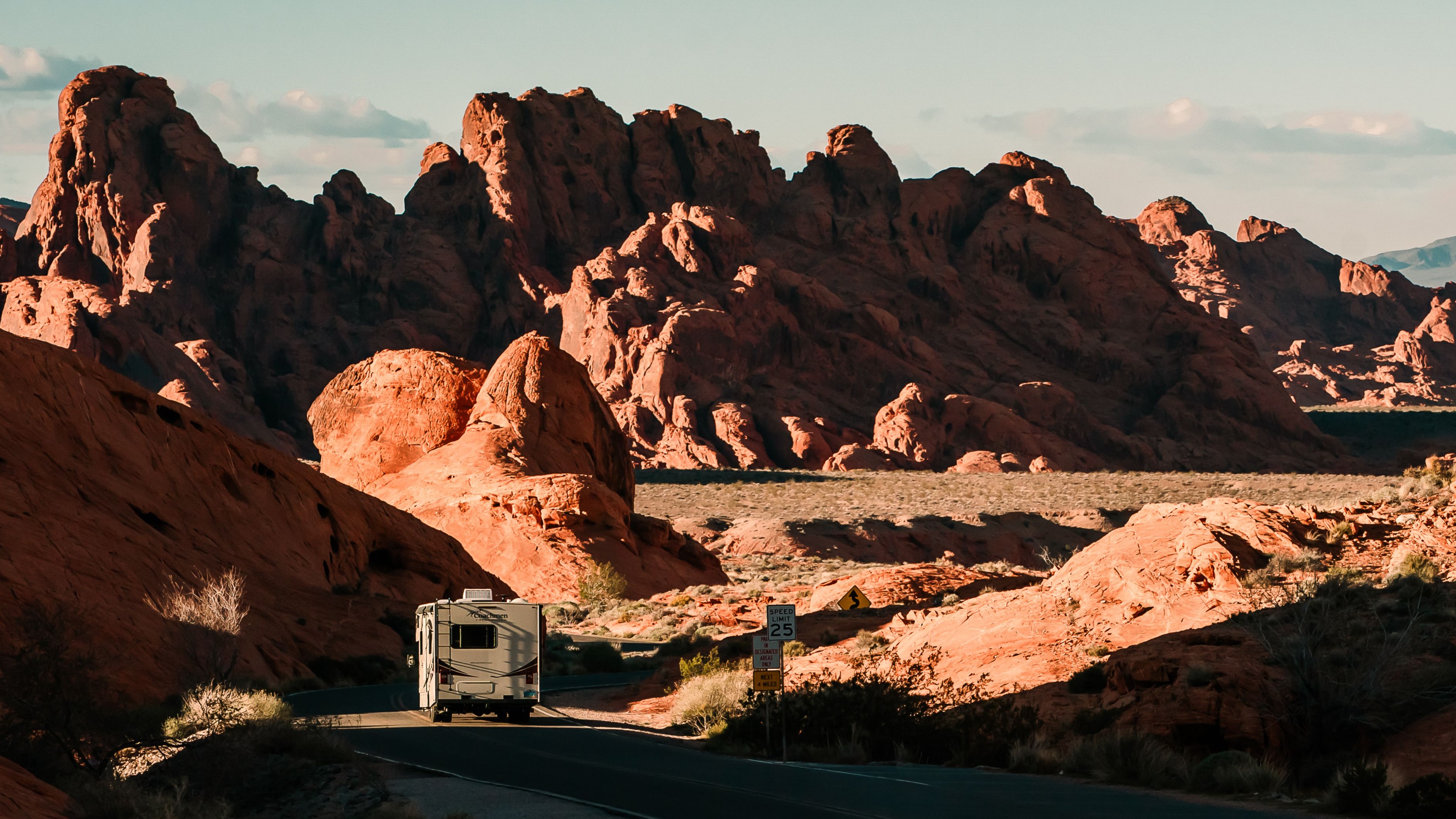
Federal land managers across Utah, Arizona, and Nevada are stepping up field enforcement of dispersed camping regulations, targeting unauthorized long-term stays and improper sanitation in heavily traveled recreation corridors. Under Title 43 of the Code of Federal Regulations (43 CFR Part 8360 and Subpart 8365), Bureau of Land Management (BLM) law enforcement rangers and field personnel are holding campers strictly to recreational stay limits and waste containment rules to protect fragile desert landscapes.
The 14-Day Limit and Relocation Rules
Under 43 CFR 8365, BLM public lands are open for short-term recreational use, not permanent or semi-permanent residential living. The baseline federal standard permits dispersed camping for up to 14 days within any 28-consecutive-day period.
Once a visitor hits the 14-day limit, regulations require moving all vehicles, trailers, and personal gear outside the local field office boundary—typically a 25- to 30-mile radius. Moving a short distance down the road or shifting to an adjacent pullout does not reset the 28-day clock. Furthermore, leaving an RV, trailer, or equipment unattended on BLM land beyond local time limits (commonly 48 to 72 hours) is prohibited and subjects the property to citations and impoundment.
These standard dispersed camping limits do not apply to official Long-Term Visitor Areas (LTVAs) in Arizona and California, which operate under a separate permit system allowing seasonal stays of up to seven months.
Mandatory Waste Containment Replaces Desert Cat Holes
Heavy visitor volume in arid regions has led field offices to prohibit burying human waste in traditional 6- to 8-inch cat holes. In fragile desert ecosystems—including Moab and Grand County in Utah, as well as busy corridors across Arizona and Nevada—slow decomposition rates make ground burial an environmental hazard.
In these designated corridors, visitors must carry and use an approved waste containment system. Acceptable systems include:
- Self-contained RV tanks: Dedicated, leak-proof onboard gray and black water holding tanks.
- Portable pack-out toilets: Washable, rigid containers (often called groovers) or commercially manufactured bag systems with gelling enzymes, such as WAG bags, Cleanwaste, or Restop 2.
Draining gray water or black water directly onto the ground is illegal under federal sanitation rules. Emptying portable toilet units or pack-out bags into BLM vault toilets is also prohibited; all waste must be hauled out and disposed of at approved RV dump stations or designated collection facilities.
Shift Toward Designated Primitive Sites
To halt vehicle sprawl and protect fragile biological soil crust—the delicate living surface that prevents desert erosion—several high-use regions have phased out open dispersed camping. In locations such as the Labyrinth Rims / Gemini Bridges Special Recreation Management Area (SRMA) in Utah, camping is now restricted exclusively to designated sites marked with brown posts and tent decals.
Campers who set up outside marked posts or fail to comply with waste-containment mandates face misdemeanor citations under 43 CFR Part 8360, with potential penalties of up to $1,000 in fines and up to 12 months in prison.