

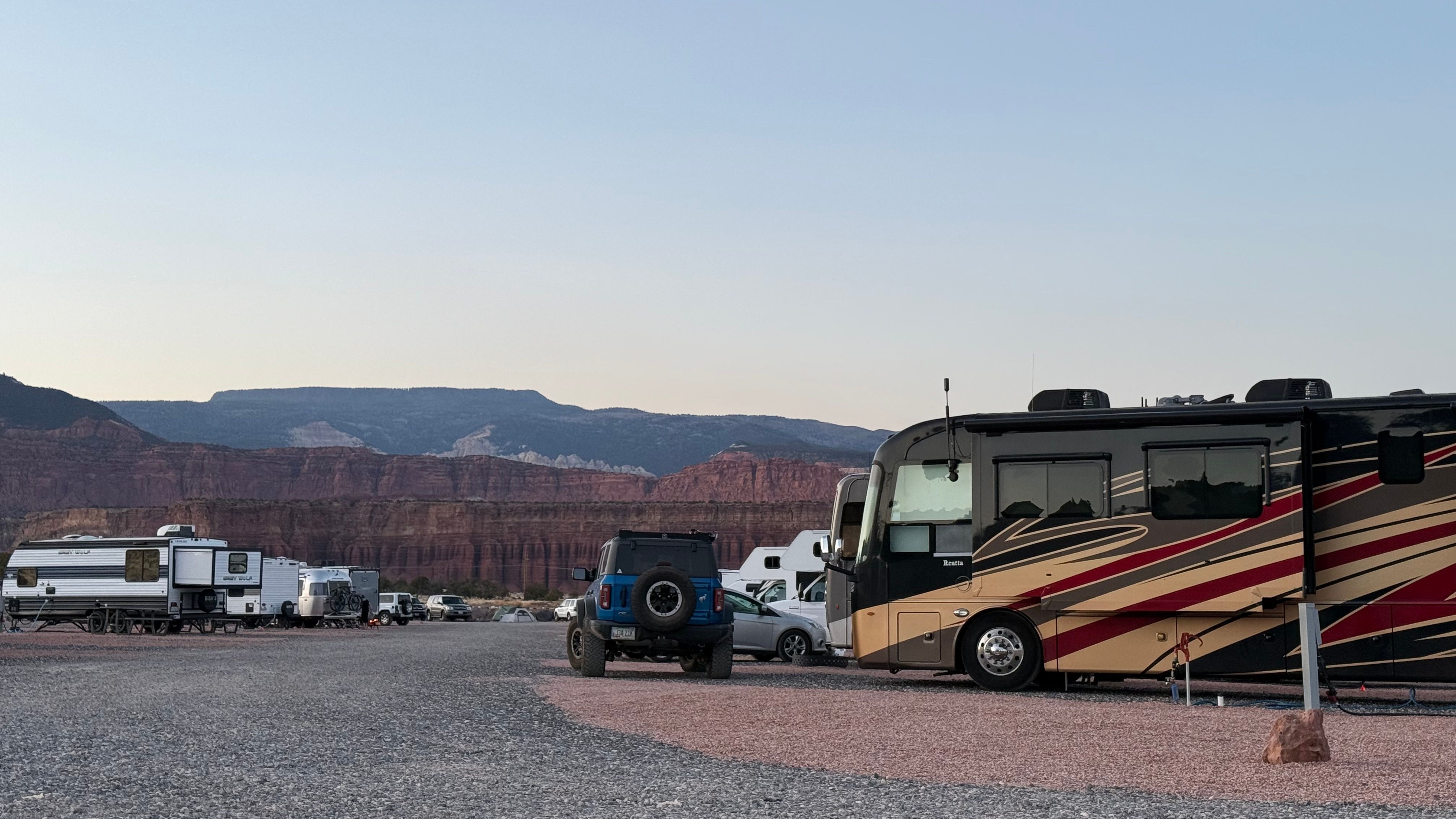
RVers planning trips to popular federal destinations face tight reservation rules on Recreation.gov as the National Park Service and partner land agencies enforce staggered booking windows, anti-churning lockouts, and late-cancellation penalties to manage peak-season demand.
Under official Recreation.gov reservation policies and National Park Service guidelines, standard campsite inventory opens on a six-month rolling booking window counting back from the arrival date at 7:00 AM Pacific (10:00 AM Eastern). However, individual park superintendents increasingly use hybrid or tiered release schedules to curb booking hoarding and offer access to shorter-notice travelers.
Rolling Windows vs. Tiered Release Schedules
While the six-month rolling window applies across most federal campgrounds, local park managers retain authority over their own inventory schedules. Several high-demand national parks use alternative booking schedules rather than a single rolling date:
- Glacier National Park: Uses a split model, releasing a portion of reservation campground sites on the standard six-month rolling window and holding the remainder for a rolling four-day advance window.
- Yosemite National Park: Does not use a daily rolling window. Instead, Yosemite releases campsites in one-month blocks five months in advance on the 15th of each month.
Park superintendents also establish peak-season stay limits—typically capped at 14 days—as well as reservation cutoff windows ranging from zero to four days before arrival.
Anti-Churning: The "No Modification Rule"
To keep users from gaming the rolling calendar, Recreation.gov enforces the "No Modification Rule for Reserved Nights Beyond the Booking Window." In the past, campers would book unneeded days leading up to a target weekend just because the earlier date was open, then drop the front-end days later once the weekend opened.
Recreation.gov now blocks that practice. Any reservation booked beyond the current open window locks the entire itinerary from front-end cancellations or date modifications. Campers must wait at least four days—and up to 18 days depending on the facility—before they can alter those dates, halting booking arbitrage.
Cancellation Penalties and No-Show Charges
Federal booking penalties escalate significantly as the check-in date approaches:
- Standard Cancellations: Approved cancellations made before the park's late-cutoff threshold incur a $10 transaction fee. Reservation fees ($8 online or through the mobile app, $9 by phone) are permanently non-refundable.
- Late Cancellations: Cancelling the day before or the day of arrival forfeits the entire first night's recreation use fee in addition to the $10 cancellation charge. For single-night bookings, campers lose the full payment.
- No-Show Penalties: At staffed campgrounds, failing to check in or cancel by check-out time on the day after scheduled arrival is marked as a no-show. The camper forfeits the first night's fee and pays an extra $20 service penalty.
Rig Length Compatibility and Enforcement
Rules extend beyond the calendar to physical vehicle limits. Recreation.gov requires campers to enter total combined exterior lengths for their RV and tow vehicle or trailer. Booking a site smaller than the actual rig creates serious risk: park rangers can turn away oversized RVs at check-in with no guarantee of reassignment and no refund.