

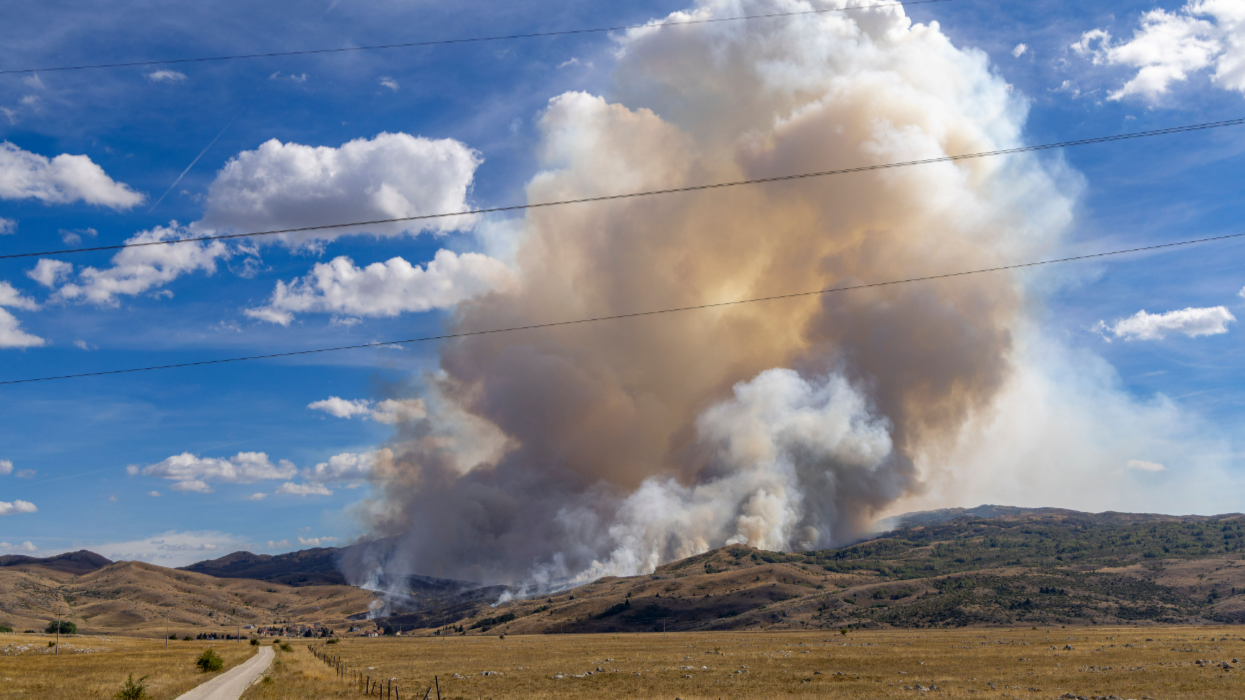
According to Roamly's 2026 RV insurance market report, specialty recreational vehicle insurers and major underwriters are tightening physical damage coverage across wildfire-prone western states and severe storm corridors in the central and southern United States. Escalating weather losses—led by acute wildfire threats in the West and intensifying hailstorms in the central plains—combined with rising repair costs have made severe weather the primary pressure forcing underwriting changes.
State regulators report similar trends. Data from the Colorado Division of Insurance shows that hail damage claims regularly surpass wildfire claims in both overall frequency and total dollar cost, prompting regional premium adjustments and stricter physical damage reviews.
Percentage Deductibles Raise Out-of-Pocket Storm Costs
To manage mounting storm claims, underwriters are moving away from traditional $500 or $1,000 flat comprehensive deductibles. In severe hail zones, insurers are introducing dedicated wind and hail deductibles calculated as a percentage of the RV's total insured value, rather than a percentage of the repair estimate.
Under this policy structure, hail and wind remain covered perils under comprehensive insurance unless explicit state-specific endorsements state otherwise. However, calculating the deductible against the rig's total value places significantly higher out-of-pocket costs on owners before coverage begins paying.
Binding Freezes Halt New Coverage During Weather Warnings
Carriers are also enforcing regional binding restrictions, commonly known as moratoriums. Underwriting systems automatically block the issuance of new policies or physical damage add-ons whenever active severe weather watches, warnings, or wildfires affect a specific ZIP code or county.
These temporary freezes prevent insurance agents from writing comprehensive or collision coverage until local advisories expire. RV buyers purchasing a motorhome or travel trailer inside an active warning perimeter must wait until local storm alerts clear before they can secure physical damage protection.
Full-Timer Endorsements Face Stricter Age and Settlement Limits
Full-timer RV policies—which provide residential premises liability, higher personal effects limits, and emergency living expense coverage—are facing heightened scrutiny across specialty RV carriers and major underwriters.
To limit total loss claims, underwriters are establishing stricter vehicle age limits and requiring mandatory interior and exterior photo inspections before approving coverage. For older travel trailers and motorhomes in high-risk areas, insurers are increasingly restricting physical damage payouts to Actual Cash Value (ACV) and refusing optional total loss replacement coverage.