

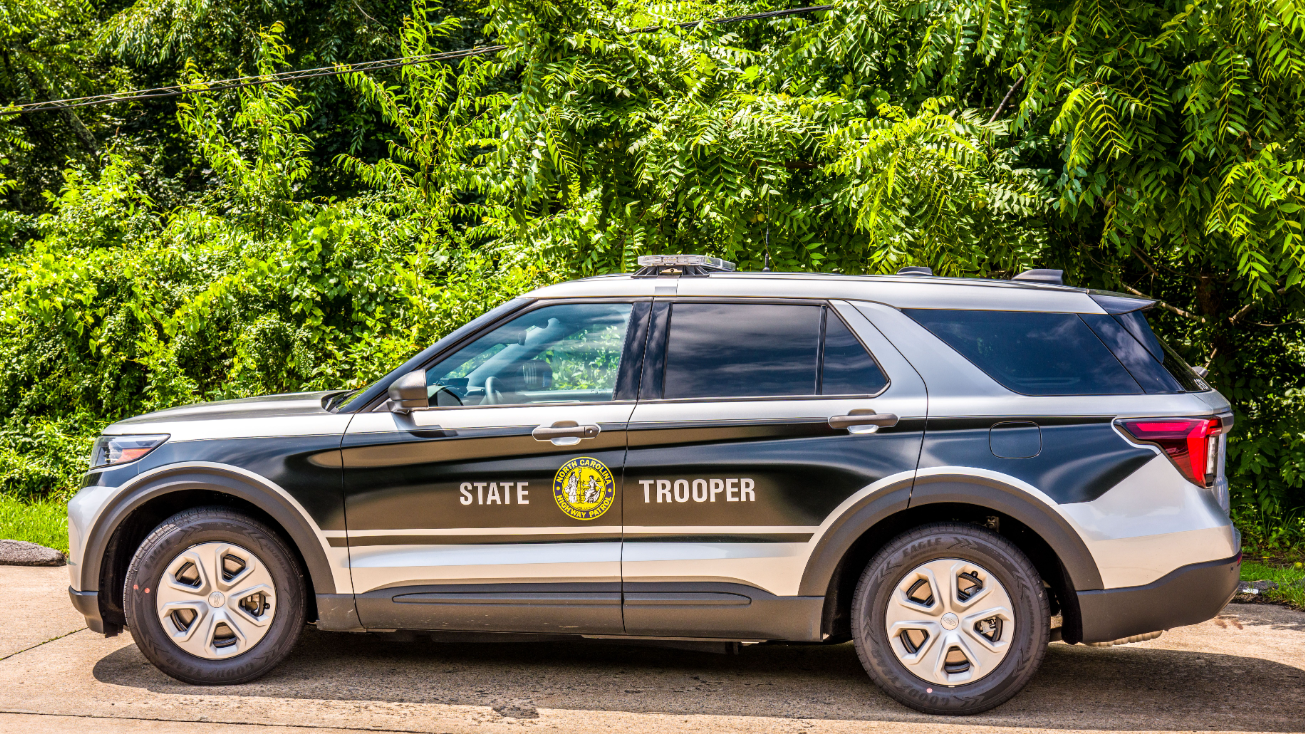
State highway patrols and driver licensing agencies enforce non-commercial Class A license rules for heavy fifth-wheel combinations, warning travelers that personal RV use does not provide blanket immunity from classified licensing. While personal recreational vehicles remain exempt from federal Commercial Driver's License (CDL) requirements, multiple states mandate special non-commercial licenses when manufacturer weight ratings cross statutory weight thresholds.
Ratings, Not Scale Weight, Trigger the Rule
Under licensing rules outlined by agencies like the Pennsylvania Department of Transportation (PennDOT) and the Texas Department of Public Safety (DPS), standard passenger licenses do not cover large combinations once manufacturer ratings reach certain cutoffs. The common threshold across classified states is a Gross Combination Weight Rating (GCWR)—the maximum total weight allowable for truck and trailer combined—of 26,001 pounds or more, provided the towed trailer carries a Gross Vehicle Weight Rating (GVWR) exceeding 10,000 pounds.
Modern heavy-duty trucks and fifth-wheel campers quickly trigger these numbers. A 1-ton dual-rear-wheel pickup with a 14,000-pound GVWR hitched to a fifth-wheel trailer rated at 16,500 pounds GVWR yields a combined rating of 30,500 pounds, placing the setup well past the 26,001-pound mark.
Patrol officers confirm compliance by checking the manufacturer certification stickers inside the driver's door jamb and on the trailer tongue or pin box. Public scale tickets do not override those ratings; towing an empty trailer does not exempt a driver if the manufacturer placards exceed the legal limits.
State Requirements and California Rules
Specific classifications depend on the driver's home state. In Texas, Pennsylvania, North Carolina, and Maryland, qualified drivers must pass a written knowledge exam, a vehicle walk-around inspection, and a road skills driving test to secure a Non-Commercial Class A credential.
The California Department of Motor Vehicles enforces a distinct rule structure. In California, towing a fifth-wheel trailer rated over 15,000 pounds GVWR requires a Noncommercial Class A license. For fifth-wheel trailers rated between 10,001 and 15,000 pounds GVWR, California drivers must obtain a recreational trailer endorsement added to their standard Class C operator license.
Inter-State Reciprocity and Roadside Penalties
For RV owners crossing state lines, interstate driver's license reciprocity determines legal authority. Driver licensing privileges are governed exclusively by the driver's home domicile state. Out-of-state troopers cannot issue citations to a driver for lacking a Non-Commercial Class A license if their home state only requires a standard operator license for personal RVs.
For residents driving in states that require classified licenses without the proper credential, roadside stops carry immediate risks. Officers can cite drivers for operating out of class and park the rig on the spot until a properly licensed driver arrives to take the wheel. The violation can result in moving penalties, tow charges, and potential insurance claim scrutiny after an accident.