

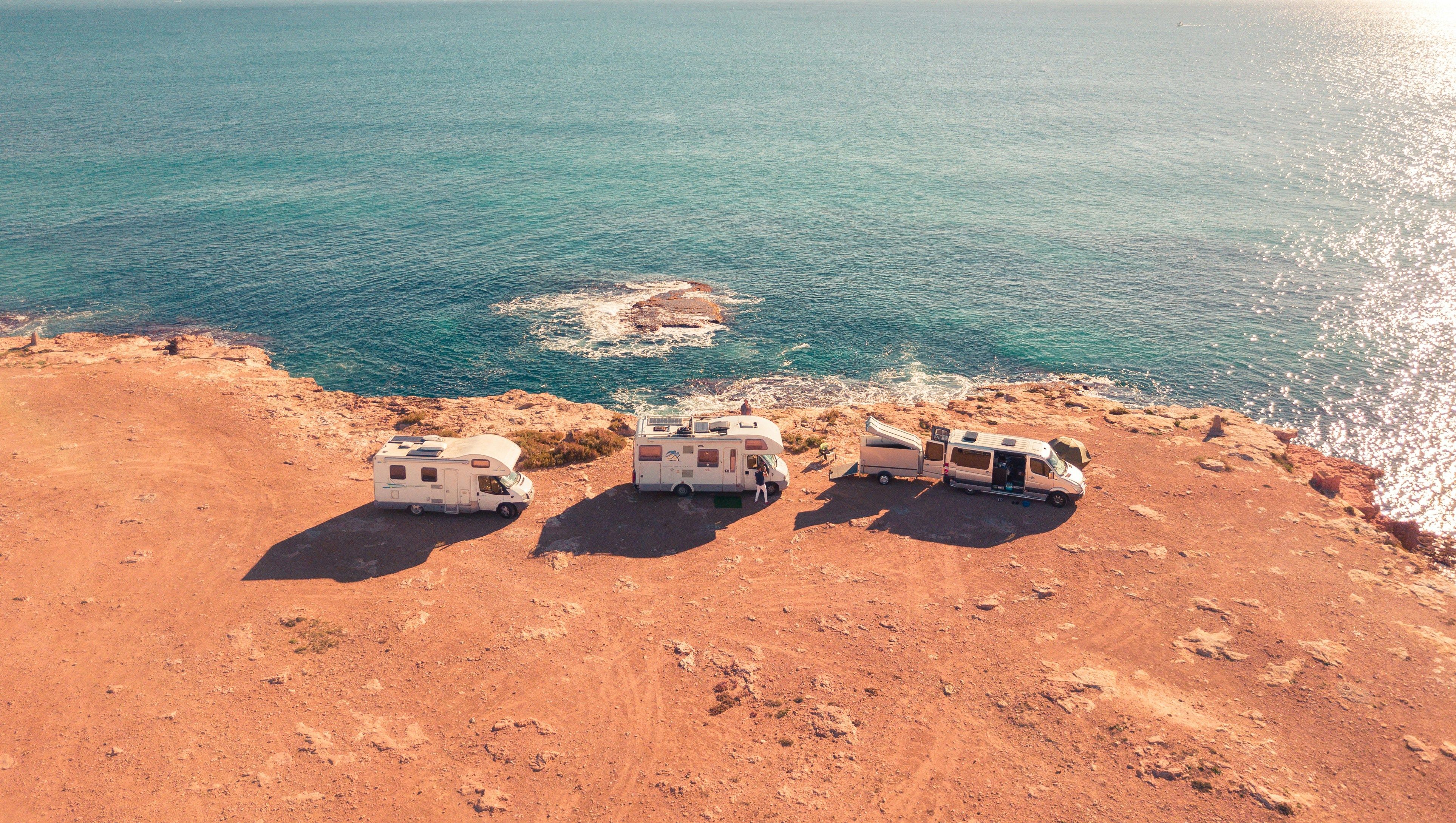
Photo by willianjusten on Unsplash
Boondocking (dry camping) means camping without hookups — you bring fresh water, make or store power, and hold gray/black waste until a proper dump. Stay length is limited by freshwater capacity, battery/power budget, and tank space. Plan those three before you leave pavement.
If you’re still mapping how off-grid nights fit into RV living costs and habits, start here with the systems that actually end a stay — not a gear wishlist.
1. What boondocking is (and isn’t)
Boondocking, dry camping, and off-grid camping all point to the same setup: no shore power, no city water, no sewer hookup at the campsite. You might be on a private dry site or on public land where dispersed camping is allowed. The systems work is the same either way.
It isn’t “roughing it with no plan.” You still need a legal place to stay, a way to keep batteries and water working, and a dump strategy for when tanks fill. Full-hookup resorts remove those limits; boondocking puts them back on you.
2. Power without shore power
Unplugged, house systems run on the 12-volt battery bank. Lights, the water pump, fans, and the furnace blower all draw from it. How long that lasts depends on battery type, how hard you use appliances, and whether you can recharge with solar or a generator.
Battery types (usable capacity matters)
- Flooded lead-acid / AGM: Common from the factory. Plan on using about half the rated capacity long-term so you don’t kill the bank early. Fine for a night or two of lights and pump use if you start charged.
- Lithium (LiFePO4): Higher usable capacity, faster charging, lighter weight, and longer cycle life. Many serious dry campers upgrade here when they want multi-day stays without constant generator time.
Recharge options
- Solar: Roof or portable panels top up the bank quietly. A common starter range for basic off-grid camping is roughly 200–400 watts, then size up with your fridge, laptop, and cloudy-day habits.
- Inverter: Turns 12V DC into 120V AC for laptops and small appliances. Watch continuous vs surge ratings — an inverter doesn’t create power; it spends battery.
- Generator: Backup for cloudy stretches or high-draw loads. Keep quiet hours and neighbor distance in mind on public land.
Rooftop air conditioning is the classic power sink. Running it usually means a large lithium bank plus a heavy inverter, or a generator running while the A/C is on. Plan for that separately from “lights and pump” nights. For short first trips, treat A/C as optional and budget power for lights, pump, and fridge first.
3. Water: stretch the fresh tank
Your freshwater tank is a hard limit. Seasoned travelers stretch a modest tank for many days; beginners often empty the same tank in a weekend by showering and dishwashing like they’re still on city water.
Fill before you leave pavement. Bring a few sealed jugs for drinking and cooking so the onboard tank isn’t your only buffer. Navy showers (wet, soap off, short rinse) and wiping dishes before a quick rinse cut use fast. Compostable or paper plates are a tradeoff some people accept to save gallons.
The beginner mistake is treating the tank like it will refill itself. Check the gauge night one, adjust habits night two, and leave yourself a reserve for washing hands and flushing before you head to a dump or fill.
4. Waste: gray, black, dump discipline
What you put into the freshwater tank eventually shows up as gray (sinks/shower) or black (toilet). Gray often fills first if you cook and shower normally. Some people catch dishwater in a basin and route it through the toilet to balance levels — useful, not mandatory.
Black tank basics: Use enough water when flushing solids so waste doesn’t pyramid. RV-safe toilet paper and a tank treatment you trust help odor and breakdown. Never dump black waste on the ground.
Gray water: Rules vary by place. Default to dump stations and designated facilities. Don’t assume surface dumping is legal just because someone did it on a forum.
When tanks are full, the stay is over unless you can legally empty — portable tote tanks exist as an option for some setups, but they’re logistics, not a free pass to ignore local rules. Plan your dump stop the same way you plan your fill. Arrive with waste tanks as empty as practical so your first dry nights aren’t cut short by yesterday’s city-water habits.
5. Legal places + etiquette (short)
Out West, BLM land often allows short stays (commonly up to about 14 days in one area — always check current rules for that district). US Forest Service roads frequently allow dispersed camping where signed or mapped as open. Stay limits, fire restrictions, and road conditions change; verify before you commit a long dirt approach.
Apps and trip reports (Campendium, iOverlander, The Dyrt, and similar) help with reviews, cell notes, and rig-length warnings. Treat them as research, not permission slips.
Etiquette is simple: give other campers space, keep generator hours reasonable, pack out trash, and leave the site better than you found it. Quiet, clean, and legal keeps access open for the next person. If you’re unsure whether a pullout is okay, move on — one bad night of guessing isn’t worth a ticket or a closed road later.
6. Prep that prevents remote failures
Off-grid nights punish weak batteries, ignored tire and brake readiness, and plumbing you never tested at home. A dead house bank in a remote spot is an inconvenience; a mechanical failure far from pavement is worse. Before you leave, confirm batteries hold a charge, tanks and pumps work, and the basics from your RV maintenance cadence are current — this guide is about managing power, water, and waste on site, not replacing that ownership checklist.
If you’re still choosing a rig with off-grid nights in mind, the buying an RV overview helps frame what systems matter; how much an RV costs covers the broader ownership budget that dry camping sits inside. Build confidence with one or two short dry nights near a known dump and fill before you plan a long stretch far from pavement.
Frequently Asked Questions
What is boondocking in an RV?
Camping without hookups — you supply fresh water, power, and waste storage until you can dump and refill properly. Same idea whether you call it dry camping, off-grid camping, or dispersed camping on public land.
How long can you boondock before you need to dump or refill?
Until the first of three limits hits: empty fresh tank, dead or critically low batteries, or full gray/black tanks. With conservation and a solid power plan, that can be several days; with heavy water use or A/C, it can be one night.
Can you run an RV air conditioner while boondocking?
Yes, but it takes serious power — typically a large lithium bank and inverter, or a generator running while the A/C is on. Factory lead-acid banks alone rarely support rooftop A/C for long.
Is boondocking safe for beginners?
It can be, if you plan ahead: legal site, charged batteries, full fresh water, empty (or near-empty) waste tanks at arrival, shared location with someone you trust, and a rig that is mechanically ready. Start with one or two nights close to a dump/fill before a long remote stretch.
Do you need solar to boondock?
No. Many people dry camp on battery alone for short stays, or use a generator to recharge. Solar makes multi-day quiet stays easier; it isn’t the only path.
Where is dispersed camping usually allowed?
Often on designated BLM and USFS lands where rules allow it, subject to stay limits and local restrictions. Always check the managing agency for that area. Private dry sites and some parks also offer no-hookup camping with different rules.
The Bottom Line
Boondocking is a systems problem first: fresh water in, power stored or made, waste held until a proper dump. Plan those three before you romanticize the view. Keep stays legal and light on the land, maintain the rig so remote nights stay uneventful, and treat dry camping as a skill you build — one careful night at a time.