

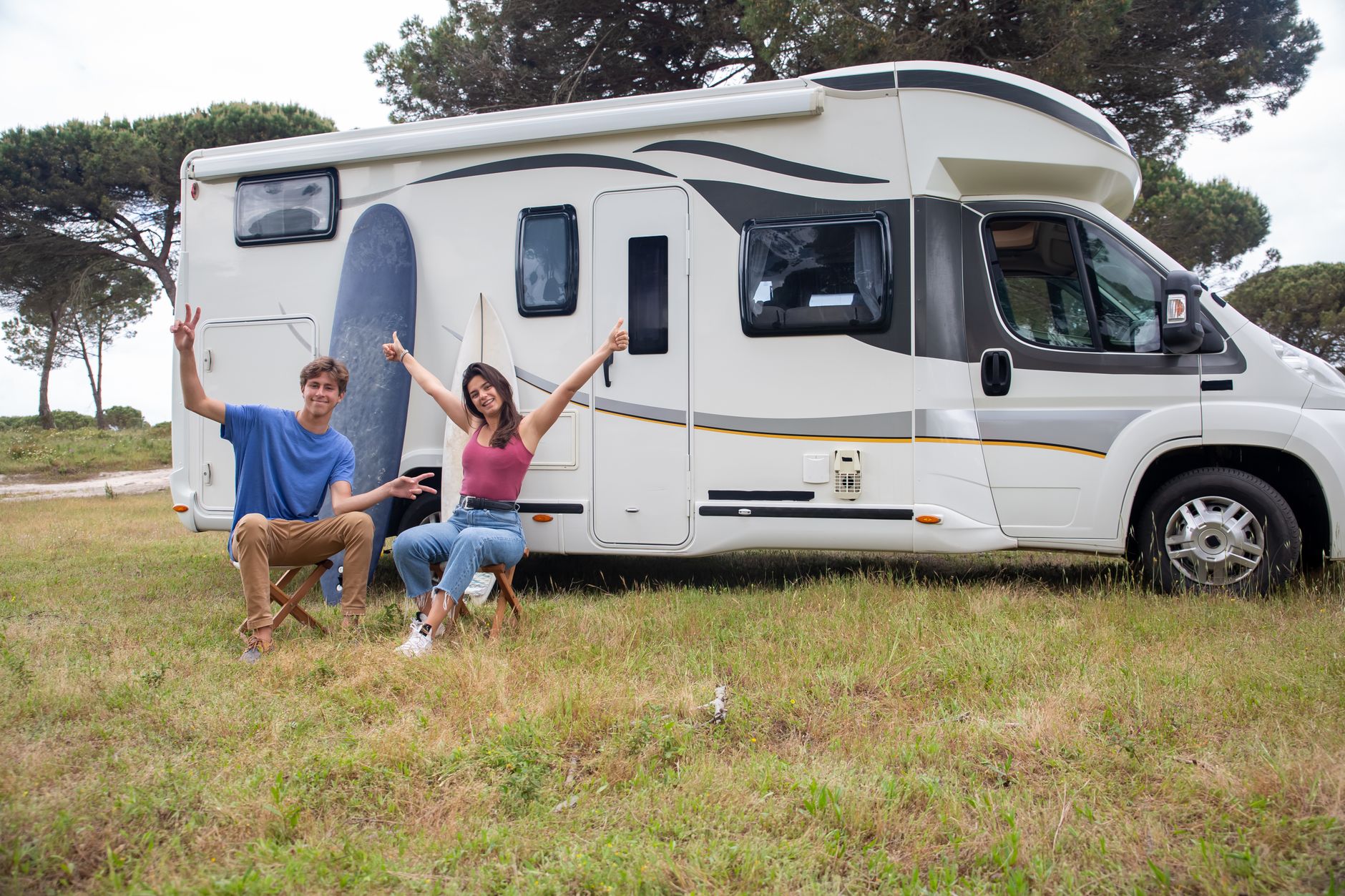
Photo by Kampus Production on Pexels
RV living ranges from weekend travel to full-time housing. Costs and stress track your habits: how often you move, where you stay, fuel, maintenance, and insurance — not a single “RV life is cheap” number. It works best when you want flexibility and can handle smaller space plus ongoing upkeep; it fails when expectations come from social media instead of logistics.
This guide is about lifestyle fit — not which rig to buy. For purchase and ownership math, see how much an RV costs and the buying an RV overview.
What RV living actually looks like day to day
Social feeds show sunsets and national parks. Real weeks look more like grocery runs, laundry, dumping tanks, checking weather, and deciding whether tonight’s spot still makes sense.
Most days include some mix of:
- Route and reservation planning (or finding a legal overnight)
- Managing power, water, propane, and waste
- Errands that used to be “drive five minutes from home”
- Maintenance you’d never think about in a stick house
- Adjusting to less storage and less privacy
Fast travel — moving every few days — feels adventurous, but it stacks fuel, setup/breakdown time, and wear on the RV. Slow travel — weeks or months in one place — usually costs less, builds routine, and leaves more energy for actual living. Neither is “correct.” Pick the pace that matches your tolerance for logistics.
The people who stick with it usually like solving small systems problems. The people who burn out often expected constant novelty without the chores that come with a house on wheels.
Full-time vs part-time — what’s different
Part-time (weekends, seasonal trips, snowbird stretches) keeps a home base. You can treat the RV as travel gear: store it when you’re done, keep mail and doctors local, and step back into normal housing when weather or work gets hard.
Full-time means the RV is housing. That changes the checklist:
- Legal residency / domicile — which state you’ll use for driver’s license, voting, taxes, and vehicle registration
- Mail — a forwarding service or trusted address for packages and official documents
- Healthcare — how you’ll handle prescriptions, specialists, and insurance networks while moving
- Insurance — full-time use often rates differently than recreational use; disclose honestly
- Income stability — remote work, retirement, seasonal jobs, or savings that don’t depend on one zip code
You can live in an RV full-time in many situations — but city, county, and park rules still decide where you’re allowed to stay night to night. Trying shorter trips first is the cheapest way to learn whether smaller space and constant logistics feel freeing or exhausting.
If full-time life also means nights without hookups, pair this with how to off-grid camp in an RV so power, water, and waste aren’t a surprise.
Cost drivers (not a fake single number)
There’s no honest single monthly number for RV living. Two people in similar rigs can spend wildly differently. Budget the drivers, not a viral screenshot.
Where you stay
Campground and RV park fees swing with season, region, and amenities. Long-term monthly rates often beat nightly tourist pricing. Premium resorts add up fast. Public-land or dry camping can cut site fees — and shift cost into planning, fuel to dump/fill, and your own systems.
How often you move
Fuel is the silent multiplier. Frequent long hauls raise costs and maintenance. Slow travel is usually cheaper even if the nightly rate looks average.
The rig itself
Payment or opportunity cost if you own it outright, plus insurance, registration, and storage when you’re not using it. Purchase price is only the start — see how much an RV costs for ownership ranges.
Maintenance and repairs
Everything vibrates down the highway. Seals, tires, batteries, appliances, and unexpected failures are normal ownership — not bad luck. The RV maintenance guide sets expectations before you treat the lifestyle as “set and forget.”
Connectivity and utilities
Cell plans, hotspot or Starlink-style setups, propane, and metered electric at parks. Remote workers often spend more here than campers who unplug on weekends.
Everyday life
Groceries, eating out, laundry, and entertainment don’t vanish because you downsized. Habits travel with you.
Is it cheaper than renting?
Sometimes — if you already own the RV (or bought within budget), travel slowly, avoid luxury parks, and keep fuel modest. It can cost as much as — or more than — a simple apartment if you’re making payments, chasing scenic nightly sites, and repairing an aging unit. The better question: does the lifestyle pencil out for your goals, not whether a stranger’s Instagram budget matches yours.
Where people stay overnight (high level)
Parking is the practical heart of RV living. Options, not a campground directory:
- Campgrounds and RV parks — hookups, dump access, laundry, predictability; prices and rules vary widely
- Long-term RV parks / monthly stays — more stability for full-timers and snowbirds; research reviews and contracts
- Public land / dispersed camping — lower or no site fees where allowed; fewer amenities; stay limits and fire rules matter
- Overnight retail or lot parking — some locations allow it, many don’t; always verify local policy and leave no mess
- Friends, family, or private property — common bridges between paid nights; still ask, don’t assume
Legality is local. What’s fine in one county can be a ticket in the next. Build a habit of checking rules before you commit a long drive to a “maybe” spot.
Pros, cons, and who it fits
Often worth it if you want:
- Flexibility to change scenery without selling a house every time
- Simpler possessions and a smaller footprint
- Travel woven into ordinary weeks, not only vacation weeks
- A lifestyle that can flex with remote work or retirement
Harder than it looks if you struggle with:
- Compact living and shared space with partners or kids
- Ongoing maintenance and “something always needs fixing”
- Spotty internet or power when you need both for work
- Weather (heat, cold, storms) that a house buffers more easily
- The mental load of always planning the next legal, affordable night
It tends to fit people who like adaptable routines and honest logistics. It tends to fail people who expected permanent vacation mode. If the lifestyle stops fitting, selling an RV is a normal exit — not a failure.
Work-from-road realities
Remote work made full-time RV living possible for a lot more people. It did not make connectivity automatic.
A workable setup usually needs:
- A primary internet plan you trust in the regions you’ll visit
- A backup (second carrier, hotspot, or café/library fallback)
- Power planning so video calls don’t die with the house batteries
- A quiet corner — slides help; thin walls still exist
- Climate control that doesn’t melt your focus (or your power budget)
Test your stack on a short trip before you give up an apartment. Dead zones and storm weeks are part of the job description; plan for them instead of hoping the map stays green.
Frequently Asked Questions
What is RV living really like?
It’s ordinary life in a smaller, movable home: errands, chores, maintenance, and planning — with more scenery options and less closet space. Adventure shows up, but logistics show up every day.
Can you live in an RV full-time?
Yes for many people, if residency, mail, insurance, healthcare, income, and legal overnight options are figured out. Rules still vary by place. Try extended trips before you sell everything.
How much does RV living cost?
It depends on campground choices, how often you move, fuel, insurance, maintenance, connectivity, and whether you’re making payments. Habits drive the total more than a single “average” number.
Is RV living cheaper than renting?
It can be when you own the RV outright (or keep payments low), travel slowly, and avoid premium parks. It can cost the same or more with payments, frequent moves, and repair surprises. Compare your real budget, not a viral spreadsheet.
Where can you park an RV overnight?
Campgrounds, long-term parks, some public-land sites, occasional retail lots where allowed, and private property with permission. Always check local rules — parking legality is not one-size-fits-all.
Can you work remotely from an RV?
Yes, with deliberate internet and power planning plus a backup when coverage drops. Test your setup on shorter trips before you rely on it full-time.
The Bottom Line
RV living is a flexible housing and travel choice — not a guaranteed money-saver and not a permanent vacation. Costs follow your pace, parking choices, fuel, upkeep, and insurance. Full-time life is workable when you handle residency, mail, healthcare, and overnight rules like an adult; part-time life is how many people test the fit without burning the ships. If you want flexibility and can live small plus stay on top of maintenance, it can be an excellent life. If you need social-media novelty without logistics, it usually disappoints — and that’s useful to know before you commit.