

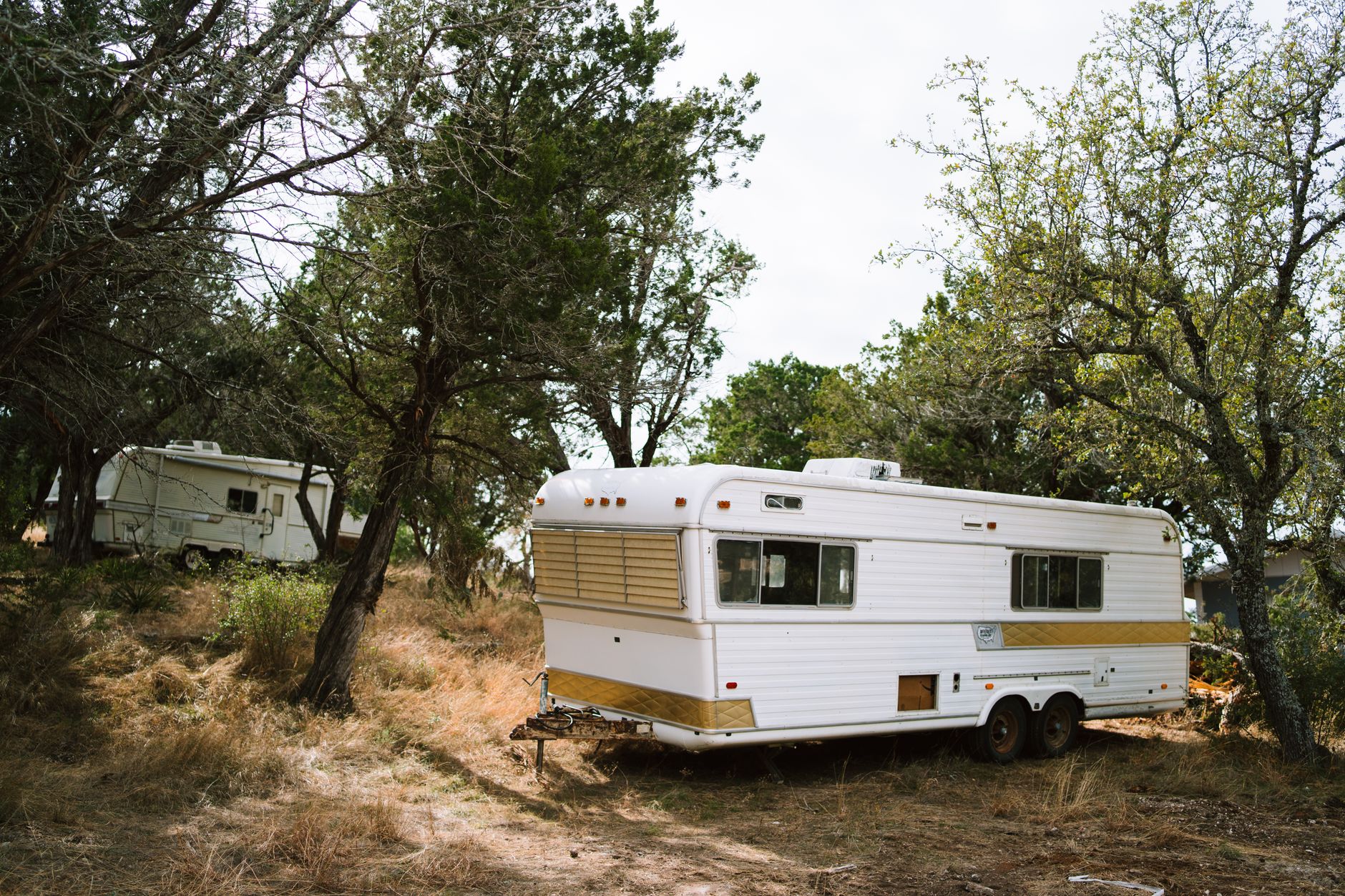
Photo by Jeff Stapleton on Pexels
Selling an RV usually comes down to realistic pricing, timing, and how you list it. Private sales can net more than a trade-in but take more work; paid classifieds and free listing options differ mainly on fees and reach. Strong photos, complete specs, and maintenance history matter more than hype — and overpricing is still the most common reason an RV sits.
If you’re upgrading, leaving the lifestyle, or just testing the market, this guide walks through what actually moves an RV: value, seasonality, trade-in vs private sale, where listings live, and what buyers expect when they open your ad. For the buyer side of the same market, see the buying an RV overview.
What determines RV resale value
“How much is my RV worth?” rarely has one clean number. Resale value is a mix of age, type, brand reputation, condition, mileage or hours, maintenance history, and what comparable units are asking right now.
Depreciation is normal. Most RVs lose value over time, often faster in the early years. That doesn’t mean ownership was a mistake — it means pricing against what you paid (or what you owe) is a common trap. Buyers care about today’s market, not your loan balance.
Condition often outweighs age. Water damage, soft floors, roof issues, tire age, appliance failures, odors, and deferred upkeep cut interest fast. Clean, well-documented units in average cosmetic shape usually outperform flashy interiors with unresolved leaks. The systems buyers probe most are covered in the RV maintenance guide.
Market demand moves. Popular floor plans and in-demand categories can clear faster; slow seasons and oversupplied niches need sharper pricing. For how purchase and ownership costs frame the other side of the deal, see how much an RV costs.
Price from comps and condition — not emotion — and you avoid the longest waits.
Timing: when sellers usually do better
In many regions, interest rises in spring and early summer, when buyers want a rig ready for travel season. Listings in colder months can still sell, but traffic is often thinner and negotiations slower.
Timing helps; it doesn’t replace fundamentals. A well-priced, well-photographed RV in February can beat an overpriced spring listing with dark photos and missing specs. Waiting forever for a “perfect” market also has a cost — storage, insurance, and another year of depreciation.
Decide whether speed or max price matters more, then set season and price together instead of chasing one without the other.
Trade-in vs selling privately
Most owners land here: sell it yourself, or trade it in when you buy the next one.
Private sale usually means a higher potential sale price, more control over offers, and flexibility on timing. It also means photos, inquiries, showings, negotiation, paperwork, and patience when buyers ghost or lowball.
Trade-in is convenience: fewer conversations, faster timeline, less logistics. The trade-off is typically a lower net than a solid private sale — you’re paying for simplicity.
Neither path is wrong. If you need the unit gone and the next purchase locked, trade-in can be rational. If you’re willing to manage the process and want more of the retail gap, private sale is usually the stronger play. Many sellers get a trade quote for a floor, then list privately and treat that number as a backup.
Free vs paid listing options
Where you list shapes who sees the RV and what you pay to show it. Think in terms of fees, reach, and how much you control the message — not which platform has the loudest ads.
Free listing options typically cost nothing (or very little) to post. Reach depends on the audience already using that channel: local classifieds, marketplace apps, community boards, and editorial marketplaces that don’t charge sellers to be seen. You keep more of the sale price when there’s no listing fee, but you may need stronger photos and clearer copy to stand out when everyone’s listing is free. Response quality varies; expect more tire-kickers and more messages that go nowhere.
Paid listing options (classified packages, featured placements, dealer-style ads) trade money for visibility boosts, longer posting windows, or placement above unpaid inventory. Fees can be flat, timed, or tiered. Paid reach can help in competitive categories or when you need faster attention — but paying doesn’t fix an overpriced or thin listing. You’re buying exposure, not a guaranteed buyer.
How to compare channels (education only):
| Factor | Free listings | Paid listings |
|---|---|---|
| Upfront cost | Usually $0 to list | Flat fee, package, or featured upgrade |
| Reach | Depends on the channel’s organic audience | Often boosted placement or longer exposure |
| Messaging control | You write the ad; platform rules still apply | Same, sometimes with extra photo/field limits |
| Best fit | Sellers okay managing inquiries and timing | Sellers prioritizing speed or competitive niches |
A practical approach: start where the fee fits your risk, use the same strong photo set and specs everywhere you post, and judge channels by serious inquiries — not vanity views. Avoid stacking paid upgrades on a price that comps don’t support; fix the offer first.
Why an RV isn’t selling — and what to fix in the listing
When interest stalls, the cause is usually fixable. A deeper walkthrough lives in why isn’t my RV selling; the short version:
Price too high. Loan payoff, sentimental upgrades, and original MSRP don’t set market value. If comps and silence agree, adjust.
Weak photos. Dark rooms, clutter, missing exterior angles, and no roof or undercarriage shots kill confidence before a buyer reads a word.
Thin description. Missing year, length, sleeps count, mileage/hours, major options, known issues, and recent work makes buyers assume the worst.
Condition surprises. Soft spots, water stains, bald or aged tires, and “it worked last season” appliances show up on walkthroughs. Disclose early.
Wrong season or slow replies. Seasonality matters; so does answering inquiries the same day.
Refresh the listing like a product page: honest headline, complete specs, daylight photos, maintenance notes, and a price that matches reality. Small fixes often change the trajectory more than waiting another month.
What buyers look for (photos, records, honesty)
Buyers treat an RV purchase as a big lifestyle bet. They’re scanning for reasons to trust — or walk away.
Photos that show the whole story. Exterior all sides, roof if safe, tires and date codes if visible, living areas in daylight, kitchen and bath close-ups, storage, and any damage. Empty the clutter; clean surfaces photograph like care.
Specs without scavenger hunts. Year, make, model, length, weight class if relevant, sleep count, slide count, generator/solar/propane notes, and major appliances. Incomplete ads feel risky.
Maintenance history. Roof reseals, tire and battery replacements, winterize records, and pro invoices don’t have to be perfect — they have to exist. A short log beats “always maintained” with nothing to show. Tie that to the habits in the RV maintenance guide.
Honesty about issues. Buyers often find what you hide. Naming a repaired leak, a quirky fridge, or aged tires builds more trust than silence. Transparency shortens negotiation; surprises lengthen it.
If you’re still deciding whether selling fits your bigger lifestyle shift, the RV living guide covers costs and tradeoffs worth weighing before you list.
Frequently Asked Questions
How much is my RV worth?
Worth is set by comparable listings, condition, age, type, and current demand — not what you paid or still owe. Study recent asking prices for similar floor plans in similar shape, then price for your urgency and presentation quality.
When is the best time to sell an RV?
Spring and early summer are often stronger in many regions because buyers want travel-ready units. Off-season sales still happen; they usually need sharper pricing or better listing quality to compensate for thinner traffic.
Should I trade in or sell privately?
Private sale often nets more money and takes more work. Trade-in is faster and simpler, with a lower typical payout. Get a trade quote as a baseline, then decide whether the private-sale gap is worth your time.
Why isn’t my RV selling?
Overpricing is the most common cause. Weak photos, incomplete specs, unresolved condition issues, slow replies, and poor timing follow close behind. Fix the listing and the ask before assuming the market is “dead.”
What’s the difference between free and paid RV listings?
Free listings cost little or nothing to post and rely on a channel’s organic audience. Paid listings charge for placement, duration, or featured visibility. Both still need strong photos, complete specs, and realistic pricing — fees buy reach, not a sale.
How do I increase resale value before listing?
Focus on cleaning, minor repairs that remove doubt, tire and battery health, roof and seal confidence, and organized maintenance records. Expensive remodels rarely return dollar-for-dollar; buyers reward trust and readiness more than boutique finishes.
The Bottom Line
Selling an RV is less about hoping and more about matching price, timing, and presentation to what buyers already expect. Private sale usually pays more and asks more of you; trade-in buys convenience. Free and paid listing options differ mainly on fees and reach — neither replaces a clear, honest ad. Lead with realistic comps, daylight photos, full specs, and maintenance history, and you’ll spend less time wondering why the unit sits and more time closing the right offer.