

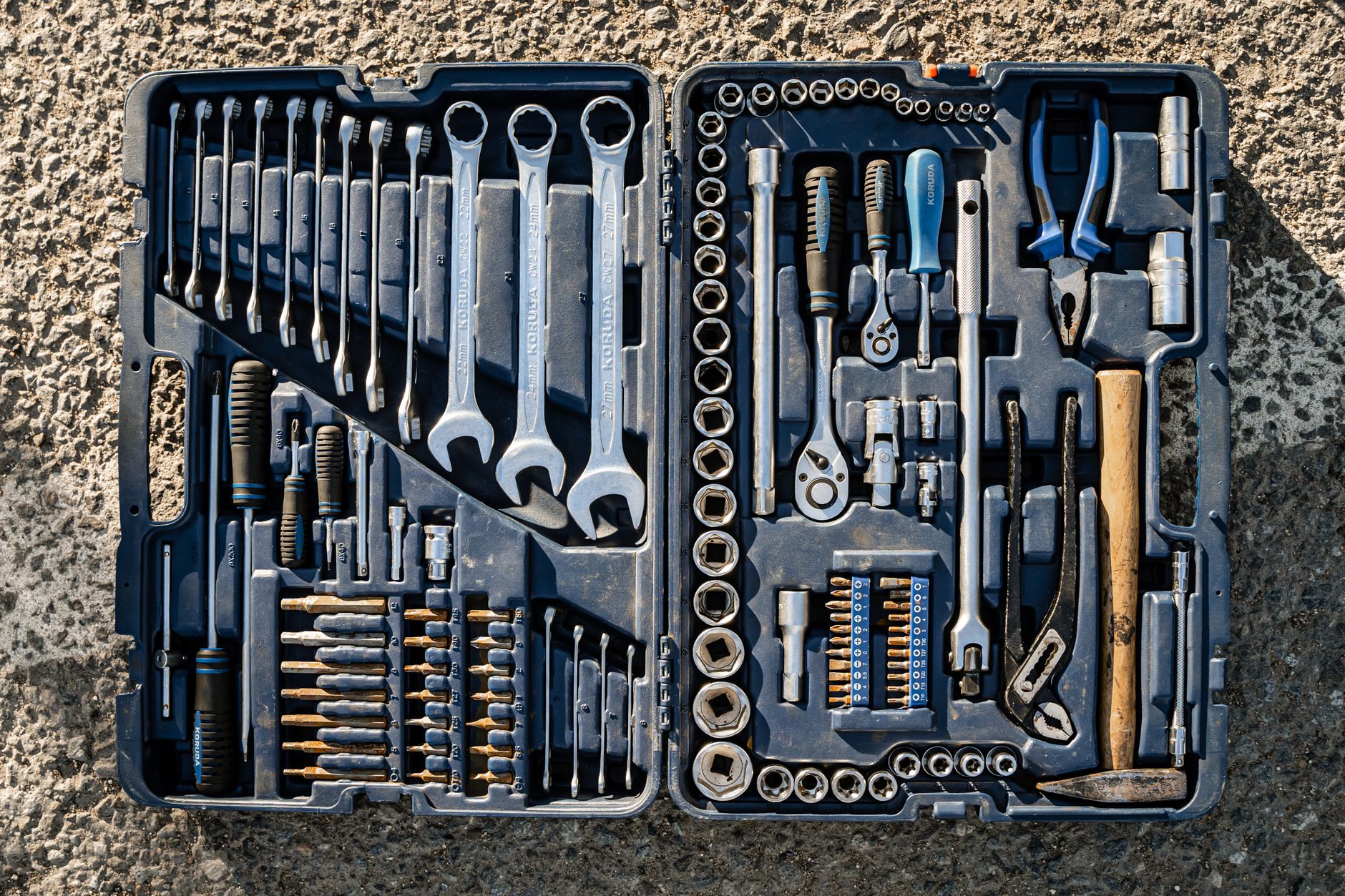
Photo by Anastasia Shuraeva on Pexels
RV maintenance is a cadence: monthly seal/tire/battery-style checks, seasonal and pre-trip system tests, and annual service on safety-critical items. You don’t need to be a mechanic — you need a repeatable inspection rhythm so small issues don’t become water damage, blowouts, or dead batteries far from help.
This page is the schedule you can actually follow. For the broader ownership picture — what systems matter, what gets expensive when ignored, and how maintenance fits long-term expectations — see the RV maintenance pillar. Here we stay on when to look and what to look for.
Monthly checks that catch expensive problems early
A short monthly walkthrough beats a once-a-year panic inspection. Most of these tasks take under an hour and catch problems while they are still cheap.
Roof seals and lap sealant. Roof leaks are the classic ownership nightmare. Water behind walls leads to mold, soft floors, and structural damage long before you see a drip inside. When it is safe to climb up, inspect seams, skylights, vents, and air-conditioner seals for cracks, gaps, or peeling lap sealant. Touch up minor cracks with the sealant your membrane manufacturer recommends — waiting for rainy season is how small gaps become big bills.
Tire pressure and condition. RV tires carry heavy loads and often sit for weeks or months, which invites dry rot and pressure loss. Check pressure when tires are cold with a reliable gauge or a tire-pressure monitoring system. Look for drops below the manufacturer’s recommendation, uneven tread wear, and sidewall cracking. Age matters as much as tread — tires can look fine and still be past their safe life.
Batteries and generator load. Wipe and inspect battery terminals for corrosion. If you run flooded lead-acid batteries, glance at electrolyte levels on a predictable rhythm. If the rig has an onboard generator, run it under load for 30–60 minutes each month (air conditioner or electric heater is a common load). Letting a generator sit unused for months is a fast path to a gummed carburetor when you need it most.
These monthly habits are the ones that most often prevent the roadside failures covered in why RVs break down — seals, tires, and neglected power systems.
Seasonal and pre-trip checks
Before the first spring trip, a long multi-state run, or storage after travel season, widen the lens beyond seals and tires.
Safety equipment. Test smoke and carbon monoxide detectors and replace batteries on the schedule the units call for. Confirm fire extinguishers show pressure in the green zone and shake dry-chemical units so powder does not settle. LP gas leak detectors have a service life — many manufacturers call for replacing the unit every several years, not just the battery.
Freshwater system. Standing water in the fresh tank breeds bacteria and odor. Drain, sanitize with a diluted bleach solution sized to your tank capacity, let it sit per a trusted sanitize procedure, then flush until the chlorine smell is gone. Do this after storage and before you drink from the system again.
Slides, jacks, and weather seals. Clean grit off slide-out rubber seals and condition them with a UV-protective rubber product. Lubricate metal slide gears and hydraulic jacks with a dry silicone lubricant so you prevent rust without inviting road grime. A sticky slide or noisy jack on departure day is usually a seasonal miss, not bad luck.
Treat seasonal checks as a reset, not a worksheet. Know what works before you leave the driveway.
Annual service items
Once a year, go deeper — or hire a certified tech for the systems that are unsafe to guess at.
Water heater. Drain the tank and flush mineral sediment. Inspect the sacrificial anode rod on units that use one and replace it when it is heavily degraded.
Air conditioner. Remove the rooftop shroud carefully, clean condenser and evaporator coils with an approved coil cleaner, and clear condensate drain lines so water leaves the unit instead of pooling where it can cause trouble.
Brakes and wheel bearings (towables). For travel trailers and fifth wheels, repacking wheel bearings and inspecting trailer brake shoes is commonly timed every 12,000 miles or annually — follow your manufacturer’s interval if it differs.
Battery deep check. Beyond monthly wipe-downs, assess capacity and replace batteries that no longer hold a useful charge. Corroded cables and undersized banks show up as “mystery” electrical problems on the road.
Annual work is where DIY often hands off to a pro: propane pressure testing, full roof recoating, and heavy mechanical repairs belong with people who have the tools and liability coverage. Keep receipts and a short service log either way — future you (and a buyer) will thank you.
DIY vs pro — where owners usually draw the line
Most monthly and pre-trip tasks — seals, tire pressure, tank sanitize, detector tests, slide cleaning — are realistic for owners who are careful on the roof and willing to follow manufacturer guidance. That is the line most people draw: inspect and touch up what you can see; escalate what can injure people or wreck structure.
Call a pro for propane system testing, major roof membrane work, brake and bearing service if you are not equipped, and any repair where a wrong step creates a fire, gas, or structural risk. The RV maintenance overview covers ownership expectations and high-cost systems in more depth; this page stays on the calendar rhythm.
If you are still shopping, build maintenance into the ownership budget when you read buying an RV. Deferred care shows up later as repair bills or a weaker sale — not as a surprise only sellers face.
Frequently Asked Questions
What maintenance does an RV need?
A repeatable cadence: monthly seal, tire, and battery-style checks; seasonal and pre-trip tests of safety gear, freshwater, and slides; and annual service on water heaters, A/C, brakes/bearings (for towables), and other safety-critical systems. Exact tasks shift with RV type, climate, and how often you travel, but the rhythm stays the same.
How much should I budget annually for RV maintenance?
A common rule of thumb is about 1% to 2% of the RV’s current value per year for routine maintenance and minor repairs. Climate, age, travel miles, and whether you DIY or hire out move that number. Treat it as a planning range, not a guarantee — big deferred items (roof, tires, batteries) can spike a single year.
Can I do RV maintenance myself?
Yes for most monthly and pre-trip work: inspecting seals, checking tire pressure, sanitizing tanks, testing detectors, and cleaning slides. Leave propane pressure testing, major roof recoating, and heavy mechanical or brake work to professionals unless you have the training and tools. Safety and structure are the usual handoff points.
How does maintenance affect resale value?
Documented service and a leak-free structure matter when buyers compare rigs. Soft floors, mystery stains, and “we never looked at the roof” stories cut offers fast. If you may sell or trade later, a simple log plus the habits in this cadence support the case you make in a selling an RV process.
Does full-time use increase maintenance frequency?
Yes. Full-time living means water pumps, appliances, slides, and seals see daily wear instead of weekend use. Shorten the gap between inspections, watch consumables (filters, sealant, batteries) more closely, and budget for earlier replacement on high-cycle parts. The monthly and seasonal lists still apply — you just run them more often.
The Bottom Line
RV maintenance doesn’t have to be a binder full of worksheets. Break the work into monthly inspections, seasonal resets, and annual service on the safety-critical systems, and you catch small issues before they become water damage, blowouts, or dead power far from help. Keep a short log, know where your DIY line ends, and stick to the cadence — that rhythm is what keeps a road-ready rig actually ready.