

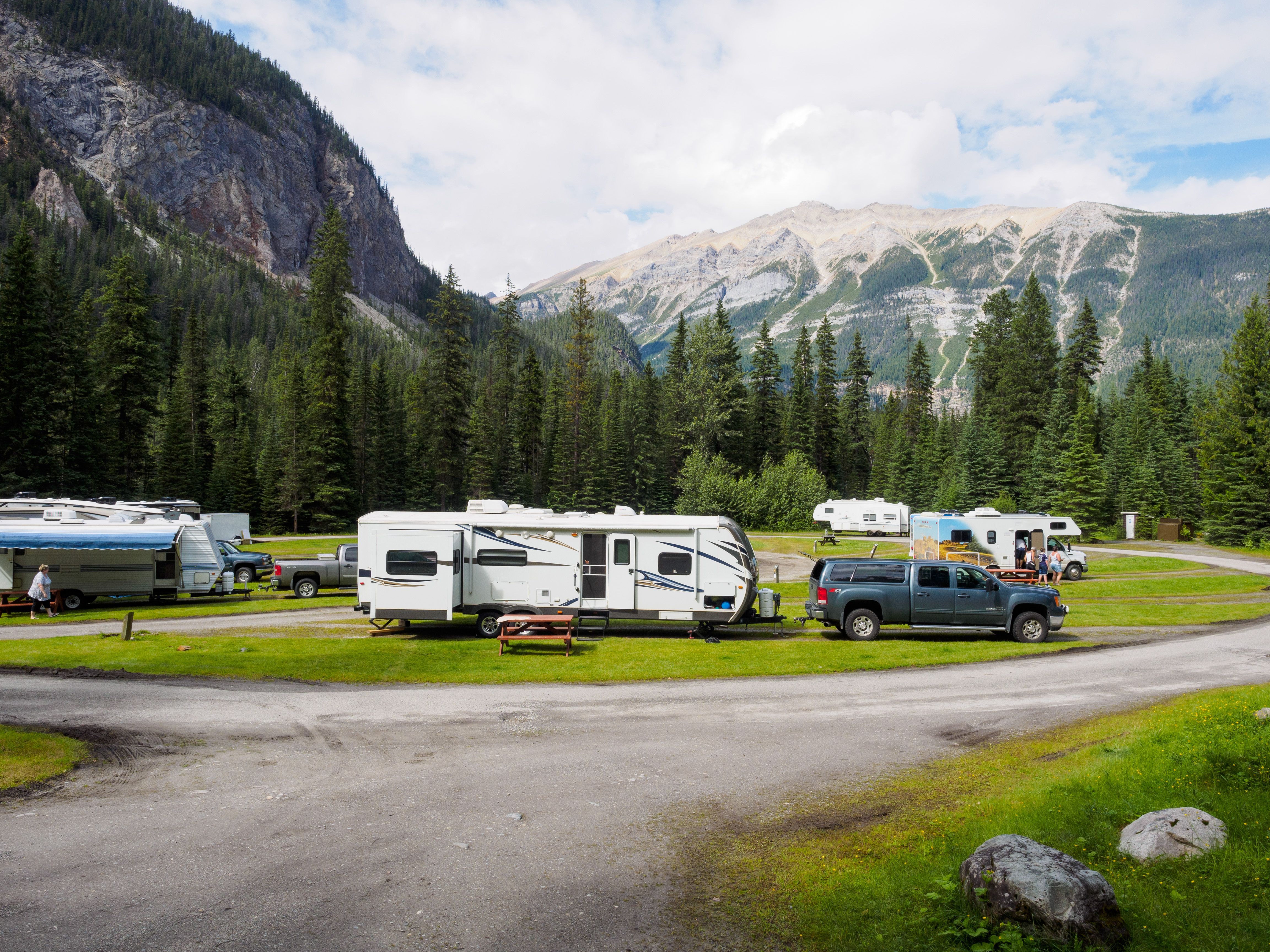
Photo by IslandHopper X on Pexels
RVs break down because they combine house systems with constant road vibration, weather, and storage cycles. The usual culprits are deferred seal and roof care, aged tires, neglected batteries and electrical, and wear on slides — not random bad luck. Most expensive failures start as small ignored issues.
An RV is a house that gets shaken, parked in the sun, and left idle for months. That mix is why reliability feels different from a passenger car. Know which failure modes matter and which habits actually cut risk. For the full cadence of seasonal and annual tasks, use the RV maintenance guide; this piece stays on causes and prevention.
1. Road vibration and loose systems
Every mile sends vibration through cabinets, plumbing, wiring, and appliances. Screws back out. PEX fittings loosen. Wire nuts and ground connections work free. What starts as a drip under a sink or a flickering light can become a leak, a short, or a roadside stop if you wait until the next season to look.
Prevention takeaways:
- Do a quick visual sweep before and after long trips — under sinks, around the water heater, and at obvious cabinet and trim fasteners.
- Snug plumbing connections by hand when you find play; don’t overtighten plastic fittings.
- Follow chassis and lug-nut intervals on the tow vehicle or motorhome the same way you’d treat any heavy vehicle.
Vibration isn’t a defect. It’s the job description. Catching loose hardware early is cheaper than chasing water or electrical damage later.
2. Water intrusion and failed seals
Water is still the damage multiplier. Roof lap sealant and window caulk age under UV, rain, and freeze–thaw. A hairline crack lets moisture into walls, floors, and ceilings — soft spots, rot, mold, and shorts that cost far more than a tube of sealant.
Prevention takeaways:
- Inspect roof seams, vents, and window sealant on a regular rhythm (many owners aim for every few months, and always before a long trip or storage season).
- Touch up cracked or peeling sealant with RV-specific lap sealant as soon as you see it.
- Prefer covered or shaded storage when you can; UV accelerates seal failure even when the rig isn’t moving.
If you catch a leak early, you’re usually looking at sealant and cleanup. If you don’t, you’re looking at structure. That’s why water sits at the top of expensive-repair conversations.
3. Tire age and blowouts
RV tires often fail from age and heat, not bald tread. Rubber degrades after several years of UV and sitting in one spot. Under-inflation multiplies heat in the sidewall and is a classic path to a blowout that can damage wheel wells and sidewalls of the coach itself.
Prevention takeaways:
- Check pressures cold before every drive; match the load rating on the tire and the placard for your rig.
- A tire pressure monitoring system (TPMS) makes heat and pressure problems visible while you’re still moving.
- Replace tires on an age schedule (commonly in the five-to-seven-year range) even when tread looks fine — confirm with the date code and your tire tech.
Tires are one of the few systems where “it still looks okay” is a weak argument. Age and inflation matter more than cosmetic tread on many RV setups.
4. Electrical and battery neglect
RVs run both 12V DC house power and 120V AC from shore power or an inverter. Mixing those up — or ignoring battery care in storage — leads to dead banks, blown fuses, tripped breakers, and fried electronics. Flooded batteries that dry out, or AGM and lithium banks left deeply discharged for months, fail early and quietly.
Prevention takeaways:
- Keep house batteries on a smart maintainer during storage instead of letting them sit flat.
- Check water levels on flooded batteries on a monthly cadence when they’re in use.
- Use a quality surge protector or electrical management system (EMS) at campground pedestals.
If you camp without hookups, battery health is also what keeps lights, the pump, and fans alive — the same systems that matter for off-grid camping. Electrical neglect shows up as “nothing works” far from a dealer.
5. Slides and moving parts
Slide-outs add living space, but gear tracks, cables, and hydraulic or electric motors take real abuse. Running slides on an unlevel site, skipping lubrication, or packing dirt into the seals stresses motors and seals until something binds, leaks, or refuses to retract.
Prevention takeaways:
- Level the RV before you extend slides.
- Keep tracks clean and treat rubber seals with a dry-silicone spray made for RV use.
- Listen for new noises and stop if a slide fights you — forcing it is how motors and gears fail.
Slides are convenience hardware living in a vibration-and-weather environment. A short pre-use check beats a stranded room that won’t close.
6. What prevention actually looks like
Prevention is not a second full service manual. It’s a short loop: inspect seals and tires on a rhythm, keep batteries maintained in storage, snug what vibration loosens, and level before you run slides. The detailed monthly, seasonal, and annual list lives in what maintenance an RV needs and the broader RV maintenance pillar — use those for cadence; use this page to remember why those tasks exist.
If you’re shopping a used rig, the same failure modes are what you inspect for. A well-maintained pre-owned coach can be more reliable than a neglected new one still shaking out factory bugs — the buying an RV guide covers how to look before you commit.
Frequently Asked Questions
Why do RVs break down so often?
Because house systems ride on a chassis that vibrates for hours, sits in weather, and often sits unused. Seals, tires, batteries, and slides take that combination harder than a daily-driven car. Frequency drops when those items get routine attention instead of “I’ll check it next season.”
What is the most expensive RV repair?
Water damage repairs and major powertrain work on motorhomes (engine or transmission) sit at the top for many owners. Early leak detection and basic fluid and battery care prevent a large share of the budget-busting jobs.
Are used RVs more prone to breakdowns?
Not automatically. New RVs often need a first-year shakedown for factory issues. A used RV with documented seal, tire, and battery care can be steadier than a new one that’s been ignored after delivery. Condition and maintenance history matter more than the model year alone.
How often should maintenance happen to prevent breakdowns?
Quick checks before trips and light monthly attention cover a lot; deeper seasonal and annual work covers seals, appliances, and chassis items. For a full schedule rather than failure-mode context, follow what maintenance an RV needs.
What should I check before a long trip?
Cold tire pressures, battery charge and connections, roof and window seals for obvious cracks, a walk-through for leaks or loose fittings, and that slides, lights, and brakes behave as expected. Fix small finds before you leave — they’re cheaper at home than on the shoulder.
The Bottom Line
RVs break down for predictable reasons: vibration loosens systems, water exploits tired seals, tires age out, batteries and electrical get neglected in storage, and slides wear when they’re rushed or dry. You can’t stop the highway from shaking the coach, but you can catch the small stuff early. Keep prevention practical, point the deep schedule at your maintenance guides, and most “sudden” failures look a lot less random in hindsight.